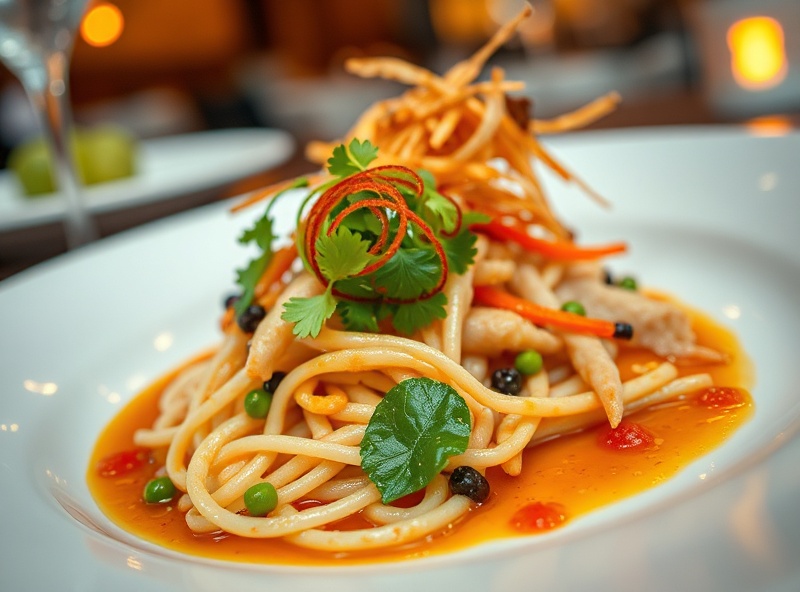
The Soul of Sri Lanka: Its Cuisine
Sri Lanka’s culinary traditions are as diverse and rich as its landscape. From the spice-laden curries of the coast to the simple, elegant preparations of the highlands, Sri Lankan food tells the story of its people, history, and geography.
The Foundations of Sri Lankan Cooking
Spices — Sri Lanka, once known as the “Spice Island,” is home to some of the world’s finest spices. Cinnamon, cardamom, cloves, and nutmeg are woven into everyday cooking.
Coconut — Used in countless forms—milk, cream, oil, and fresh—coconut is fundamental to Sri Lankan cuisine.
Rice — The staple grain that accompanies almost every meal.
Seafood — The coastal islands provide abundant fish and seafood preparations.
Curry Leaves & Herbs — Fresh herbs add brightness and authentic flavor to traditional dishes.
Understanding Sri Lankan Curry
When Sri Lankans talk about curry, they’re referring to a complex blend of spices and cooking techniques rather than a single dish. A proper Sri Lankan curry includes:
- Carefully toasted and ground spices
- Slow cooking to develop flavors
- Balance of spices, coconut, and other ingredients
- Often includes meat, seafood, or vegetables
At Chingu, we honor these traditions while creating dishes that appeal to travelers from around the world.
Regional Specialties
Coastal Cuisine — Fish curries, prawn preparations, and seafood are stars of the coast.
Central Highlands — The cooler climate of Ella allows for vegetables and lighter preparations. Tea is central to highland culture.
Jaffna & North — Unique preparations influenced by Tamil traditions.
Southern Region — Known for spicy, bold flavors and fresh fish.
Chingu’s Approach to Sri Lankan Food
We believe that respecting traditions means understanding them deeply. Our menu includes:
- Kottu Roti — A beloved street food elevated to restaurant quality
- Lamprais — A colonial-influenced rice and meat dish
- Deviled Dishes — Sri Lankan “devil” preparations with onions and chilies
- Hoppers — Cup-shaped pancakes enjoyed for breakfast or snacks
- Sambols — Fresh condiments that add brightness to meals
The Importance of Fresh Ingredients
Sri Lankan cooking celebrates seasonal ingredients. Living in Ella gives us access to:
- Fresh vegetables from mountain farms
- Coconuts at various stages of ripeness
- Herbs that grow abundantly here
- Local spices
This freshness is non-negotiable in authentic Sri Lankan cooking.
Eating Like a Local
To experience Sri Lankan food authentically:
- Order with rice — Rice is the foundation of Sri Lankan meals
- Try curries — Each type offers different flavors and preparations
- Enjoy sambols — These fresh condiments transform meals
- Be open to spice — Sri Lankan food can be spicy, but tell your server your preference
- Explore the full meal — Often includes curry, side vegetables, salads, and sambols
Sri Lankan Food & Hospitality
Food in Sri Lanka is about sharing and community. The Sri Lankan concept of hospitality—treating guests like family—is central to dining culture. When you eat at Chingu, you’re not just having a meal; you’re experiencing the warmth and generosity that defines Sri Lankan culture.
Experience Authentic Sri Lankan Cuisine at Chingu
Whether you’re tasting your first Sri Lankan curry or you’re a seasoned lover of the cuisine, Chingu offers an authentic experience with international appeal. Our chefs understand both traditions and innovation, creating dishes that honor the past while satisfying today’s travelers.
Chingu Restaurant & Bar #19, Passara Road, Ella Open Daily: 7:30 AM – 10:30 PM Reserve: +94 74 218 3525
Come taste the soul of Sri Lanka at Chingu.
By Chingu Team
Chingu Restaurant & Bar Team